Carrot Pastries with Plum Jam – Zuzka’s Simple Homemade Recipe
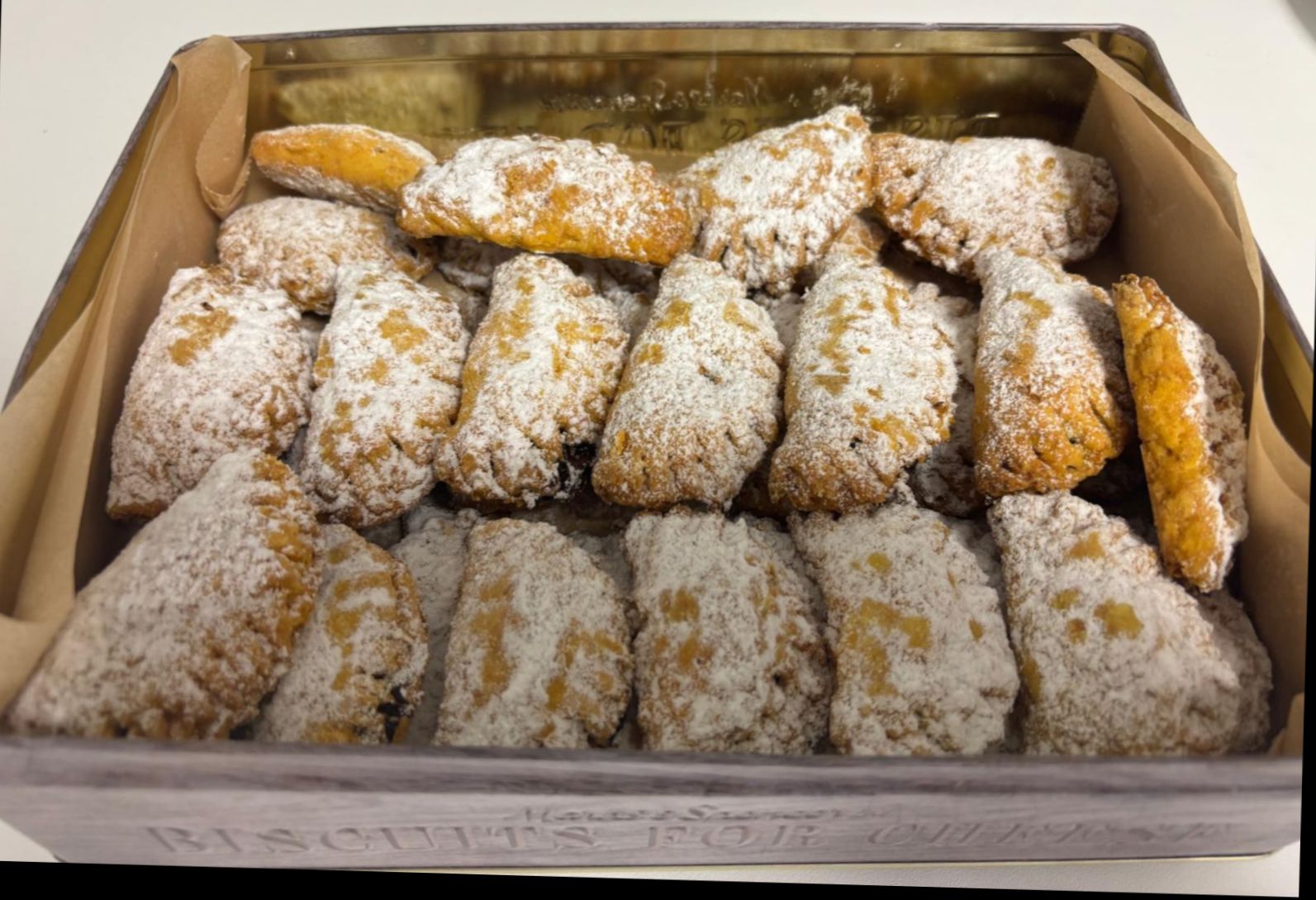
Carrot pastries with plum jam are one of those recipes you may never think to look for – but once you taste them, you immediately want the recipe. I discovered these little pastries at the birthday celebration of one of my dearest colleagues, Zuzka, who, as it turns out, has been quietly hiding a considerable culinary talent alongside her actual profession.
At first glance, they are simple little baked turnovers. What makes them special is the unusual carrot dough, built around an wonderfully simple ratio of carrots, butter and flour.
Inside goes a spoonful of thick plum jam, and after baking there is only one decision left to make: powdered sugar or no powdered sugar?
Zuzka occasionally serves them without any sugar on top. This version is particularly appreciated by her husband, who jokingly considers it the “lighter” option. After all, carrots bring some natural sweetness of their own, while the plum jam provides plenty of fruity sweetness inside.
Whether that officially turns them into a diet dessert is probably best left to the experts. As an argument for having another one, however, it works remarkably well.
Why This Recipe Works
What we particularly like about Zuzka’s carrot pastries is their simplicity. The dough contains no eggs and no added sugar, and its base requires only four ingredients.
Finely grated carrot contributes moisture and a subtle natural sweetness, while butter provides richness. The plum jam adds concentrated fruit flavour and a gentle tartness that balances the pastry beautifully.
The result is a surprisingly harmonious combination:
delicate buttery pastry + subtle sweetness from the carrots + rich fruity plum jam.
And judging by the flavour alone, you might never guess that raw carrot is one of the main ingredients in the dough.
Carrot Pastries with Plum Jam
Ingredients
For the dough:
- 250 g raw carrots, finely grated
- 250 g butter
- 250 g semi-coarse flour
- 1 packet baking powder
For the filling:
- thick plum jam or plum butter
To finish:
- powdered sugar, optional
TGCC Note: Zuzka’s original recipe also allows the butter to be replaced with baking margarine or a plant-based butter alternative. Unless there is a reason to substitute it, however, we prefer classic butter for its fuller flavour.
Method
1. Make the Carrot Dough
Peel the carrots and grate them finely.
Combine the flour with the baking powder, then add the grated carrots and butter. Work everything together until you have a smooth, cohesive dough.
Place the dough in the refrigerator for at least 15 minutes. This step is particularly useful when using real butter, as chilled dough is considerably easier to roll and cut.
2. Roll and Cut the Dough
Preheat the oven to 190°C / 375°F.
Transfer the chilled dough to a lightly floured work surface and roll it out to approximately 2–3 mm thickness.
Using a larger round cookie cutter or the rim of a glass, cut the dough into circles.
3. Fill with Plum Jam
Place a small amount of thick plum jam in the centre of each circle.
Fold each circle in half to create a small crescent-shaped turnover.
Press the edges firmly with a fork. Apart from creating the characteristic decorative pattern, this also helps seal the pastries and keeps the jam inside during baking.
4. Bake Until Golden
Arrange the carrot pastries on a baking sheet lined with parchment paper.
Bake at 190°C / 375°F for approximately 20–25 minutes, or until lightly golden.
Remove from the oven and allow them to cool slightly.
5. Powdered Sugar – or Zuzka’s “Lighter” Version
Traditionally, the slightly cooled pastries can be lightly dusted with powdered sugar.
But it is entirely optional.
Zuzka sometimes serves her carrot pastries without it. The carrots already contribute a subtle natural sweetness to the dough, while the plum jam provides the more pronounced sweet and fruity element.
Our suggestion? Taste the first pastry before reaching for the powdered sugar.
You might find that it does not need anything else.
TGCC Tip
Use a really thick plum jam or plum butter for the filling. A thinner fruit preserve contains more water and is more likely to leak from the pastries as it heats in the oven.
If you would like to give the original recipe a subtle twist, add a small pinch of ground cinnamon to the plum filling.
For an adults-only version, a tiny splash of good-quality dark rum can work beautifully too.
We would keep either addition restrained, though. Much of the charm of Zuzka’s recipe lies precisely in its simplicity.
Wine Pairing – What to Drink with Carrot Pastries?
With carrot pastries filled with plum jam, we would choose a wine with enough freshness to balance the buttery dough, but also enough residual sweetness to accompany the fruit filling.
A very dry wine can taste surprisingly sharp when paired with a sweet dessert, so balance is the key here.
TGCC Wine Pairing: Late-Harvest Riesling
Our first choice would be a Riesling in an off-dry to medium-sweet style, ideally a late-harvest expression with lively acidity.
Its fruit character can complement the plum filling, while Riesling’s natural acidity refreshes the palate after the buttery pastry and prevents the pairing from becoming overly sweet.
Look for a wine showing notes of apricot, peach, citrus or ripe orchard fruit, while retaining a fresh acidic backbone.
A Central European Riesling also feels particularly at home alongside this kind of traditional homemade pastry.
Alternative: Tokaj
For a more distinctly dessert-style pairing, try a younger sweet Tokaj wine.
Its notes of dried fruit and honey, combined with characteristic acidity, can work beautifully with the concentrated flavour of plum jam.
Here, however, less is more: a small glass of wine alongside one or two warm carrot pastries is quite enough.
TGCC Pairing Tip: If you serve the pastries without powdered sugar, we would lean towards an off-dry or medium-sweet Riesling. With the sweeter, sugar-dusted version, you can comfortably move towards a richer dessert wine.
Especially when we discover them thanks to a colleague who has been suspiciously successful at keeping her culinary talent a secret.