Zucchini in the Kitchen
Young Zucchini Tastes Different
Zucchini is one of those ingredients that rarely tries to be the centre of attention. It has neither an intense aroma nor an overpowering flavour — and that is precisely where its strength lies.
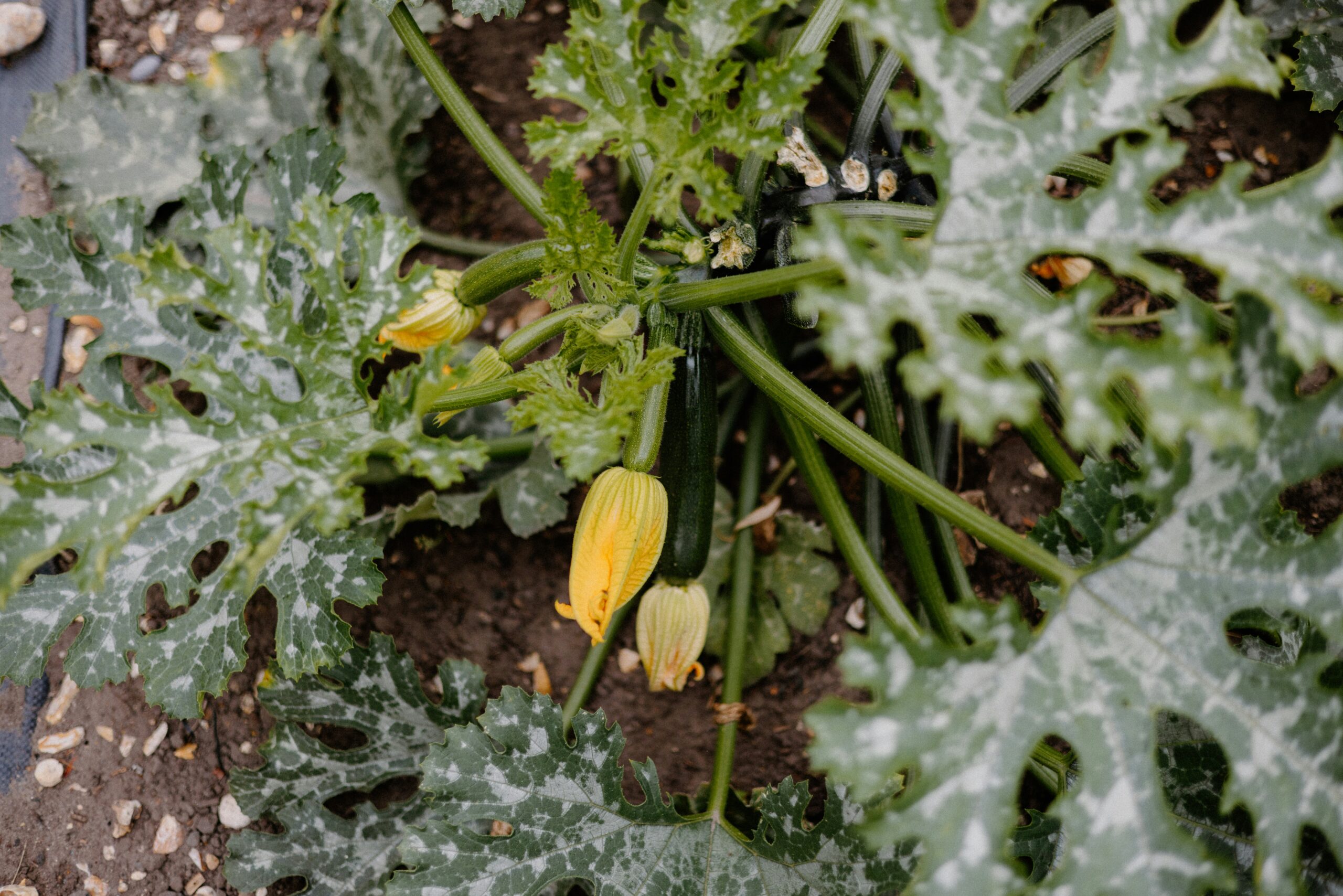
It is at its best when young. Smaller zucchini have tender flesh, thin skin and fewer developed seeds, which means there is usually no need to peel them. Simply wash them and let the kitchen work with the whole vegetable.
Water Is Both Its Strength and Its Weakness
Zucchini contains a lot of water. Prepared well, it stays fresh and succulent; handled poorly, it can quickly become soft and watery.
If you want to sauté or sear it, zucchini needs a properly hot pan and enough space. Overcrowd the pan and the temperature drops, causing the zucchini to steam in its own juices rather than develop colour.
A quick sear, on the other hand, creates a lightly caramelised surface while helping the zucchini retain its pleasant texture.
What Works Well with Zucchini
Its delicate flavour makes zucchini a natural partner for stronger ingredients. It works beautifully with garlic, basil and other fresh herbs, olive oil, lemon, Parmesan and capers.
It can be grilled, sautéed, roasted, stuffed or even served raw. And sometimes, it can become something you would hardly expect from such a simple vegetable.
A small tip from TGCC: When searing zucchini, don’t overcrowd the pan. Cook it in two batches if necessary — high heat and a short cooking time will treat it far better than slow steaming.
When Zucchini Pretends to Be Tartare
One of our favourite examples is zucchini tartare with Parmesan, capers and Dijon mustard. Instead of grating the zucchini, we cut it into small cubes and quickly sear it over high heat.
The result is a completely different texture — and a surprisingly complex flavour from such a humble ingredient.